auditory processing disorder is diagnosed when someone has difficulty focusing on a single distinct noise when other noises are present.
symptoms include:
- difficulty hearing in noise
- auditory attention problems
- need for distinct, written steps
- better understanding in one-on-one situations
- trouble in noise localization
- difficulties in remembering oral information
- interpreting words too literally
- need of assistance to hear clearly in noisy environments
this disorder is believed to affect 10-20% of the adult population, prmarily affecting those older in age.
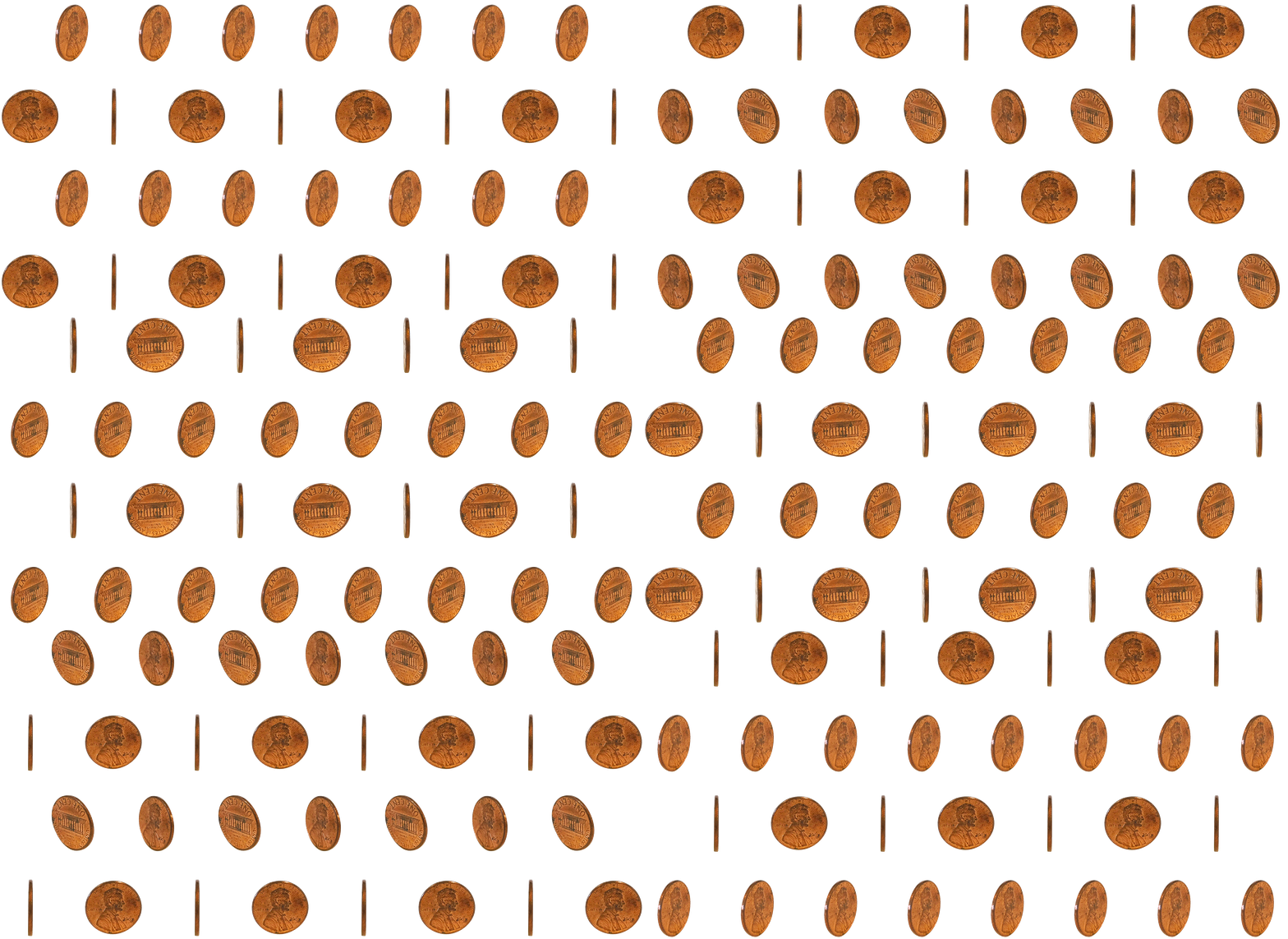
signal to noise was created to be a visual interpretation of one's experience with adp.
auditory processing disorder is diagnosed when someone has difficulty focusing on a single distinct noise when other noises are present.
symptoms include:
- difficulty hearing in noise
- auditory attention problems
- need for distinct, written steps
- better understanding in one-on-one situations
- trouble in noise localization
- difficulties in remembering oral information
- interpreting words too literally
- need of assistance to hear clearly in noisy environments
this disorder is believed to affect 10-20% of the adult population, prmarily affecting those older in age.
signal to noise was created to be a visual interpretation of one's experience with adp.
auditory processing disorder is diagnosed when someone has difficulty focusing on a single distinct noise when other noises are present.
symptoms include:
- difficulty hearing in noise
- auditory attention problems
- need for distinct, written steps
- better understanding in one-on-one situations
- trouble in noise localization
- difficulties in remembering oral information
- interpreting words too literally
- need of assistance to hear clearly in noisy environments
this disorder is believed to affect 10-20% of the adult population, prmarily affecting those older in age.
signal to noise was created to be a visual interpretation of one's experience with adp.